
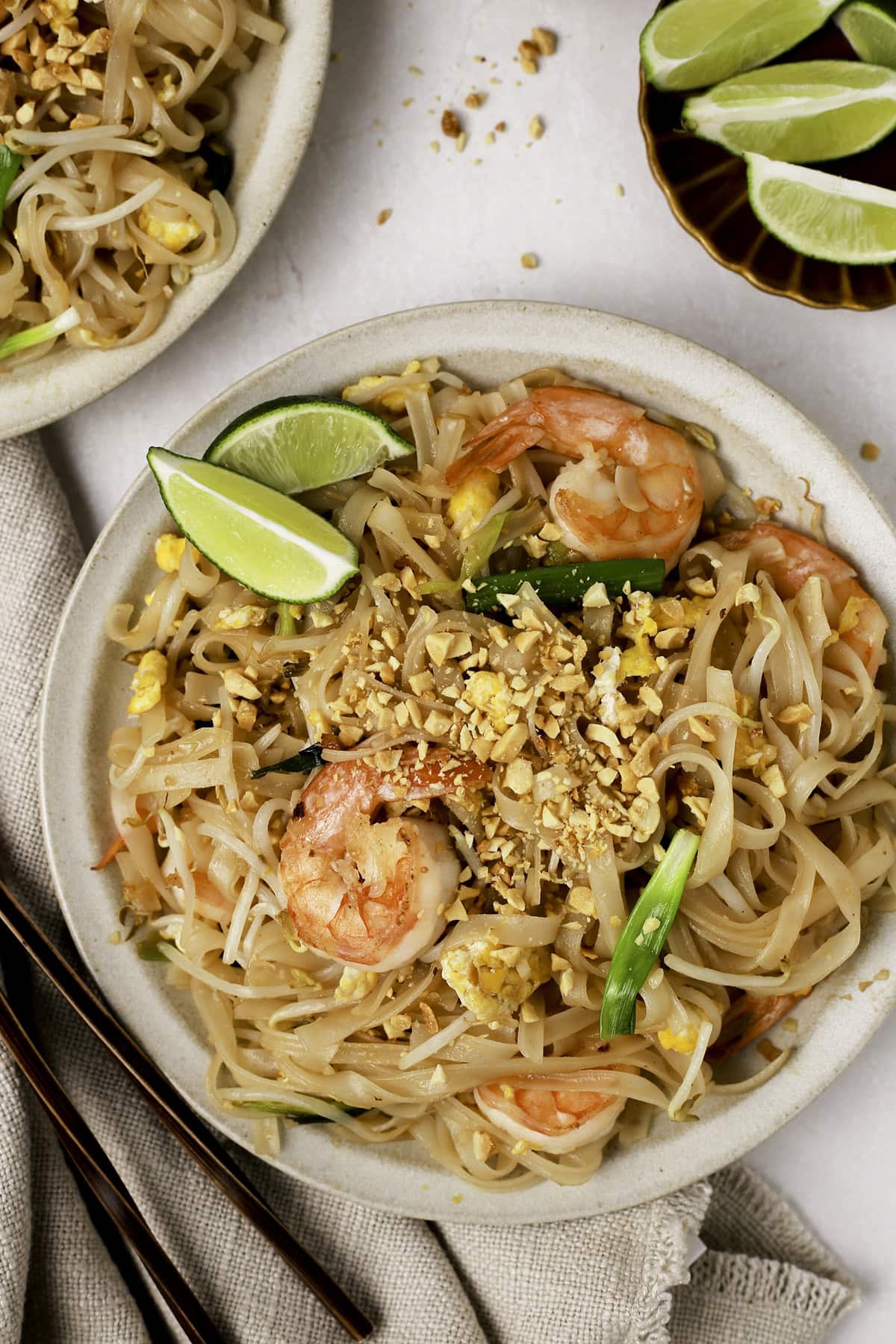
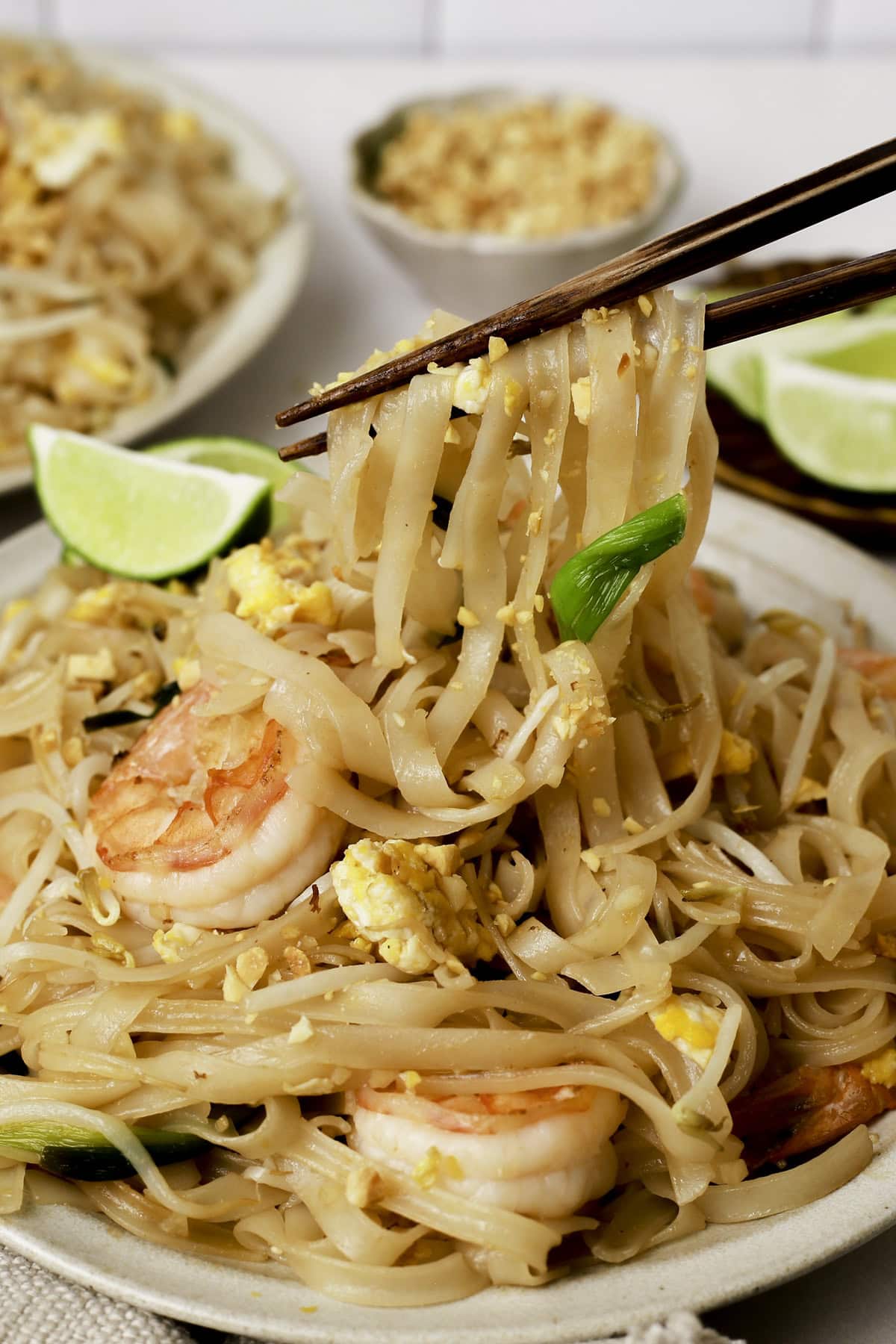
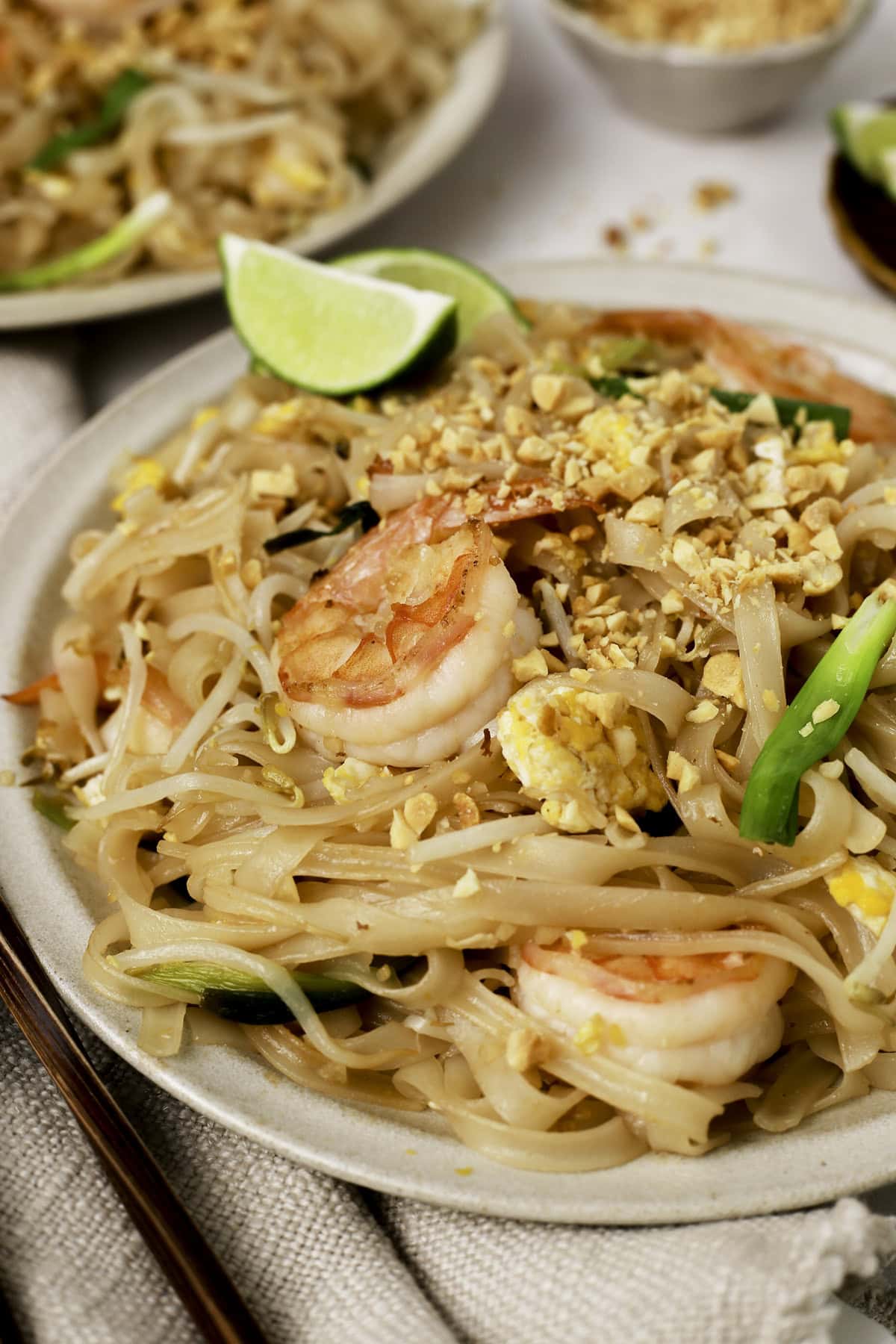
Pad thai is arguably one of the most iconic dishes on any Thai menu, and it's one of our all-time favorites-especially with shrimp! This easy shrimp pad thai comes together in just 30 minutes, making it perfect for a quick and flavorful weeknight meal. It has the signature tangy flavor, just enough sweetness, and a savory balance that keeps you coming back for another bite. Not a fan of shrimp? No problem! You can easily swap it for chicken or tofu. And if you're craving another delicious rice noodle dish, be sure to try our Vietnamese grilled pork vermicelli bowl, featuring aromatic, deeply flavorful grilled pork!
Jump to:
Ingredients notes and substitutions
Please scroll down to the recipe card for the ingredient quantities!
For the shrimp pad thai
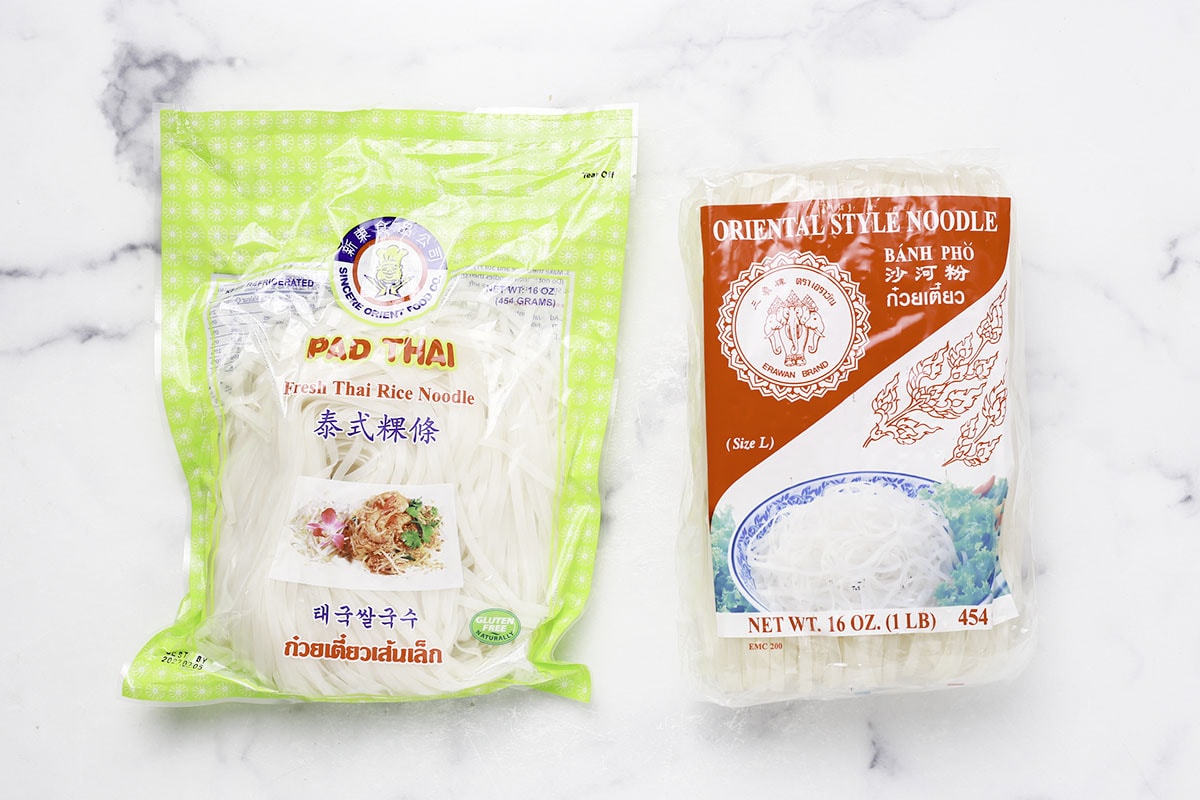
- Flat rice noodles - These rice noodles are sometimes called rice sticks or pad thai noodles. We like to use dried flat rice noodles because they're shelf stable. Our go-to is Erawan brand's "size L" flat rice noodles. These dried rice noodles do require rehydrating. If you have time, let them soak in warmish water for about 1 hour, but if you're in a rush, soak them in boiling hot water for 5-10 minutes. Different brands may require shorter or longer soak time.
- Alternatively, the Asian markets sometimes carry fresh pad thai noodles. They're technically "semi-dry" and vacuum packed. They're texture is a bit chewier and bouncier than dried noodles. If using these noodles, cut them in half to make them shorter which will make stir frying easier. Then soak them in warm water for 15-30 minutes.
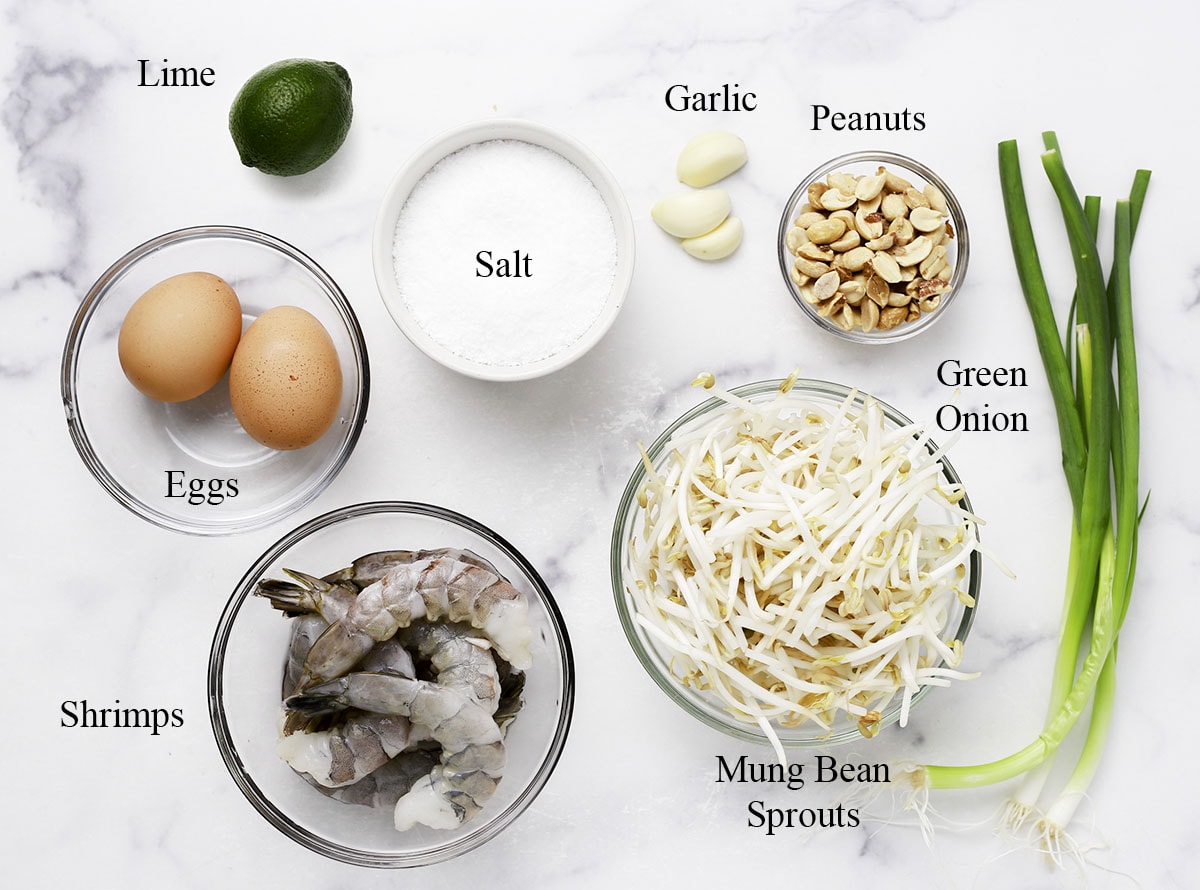
- Shrimp - Any size peeled and deveined shrimp will do. We prefer jumbo shrimps because they're meatier. If you're using smaller shrimp, their searing time will be shorter.
- Salt - For the shrimp.
- Eggs
- Garlic
- Mung bean sprouts - Make sure the ones you purchase are mung bean sprouts, not soy bean sprouts! The head of soy bean sprouts are larger and crunchier, and they require longer cooking time.
- Green onions - You could also substitute the green onions for Asian chives if you want a bit more authentic pad thai experience.
- Chopped roasted peanuts - An iconic ingredient in pad thai for flavor and texture.
- Lime and Thai chili powder (optional for serving)
Pad thai sauce
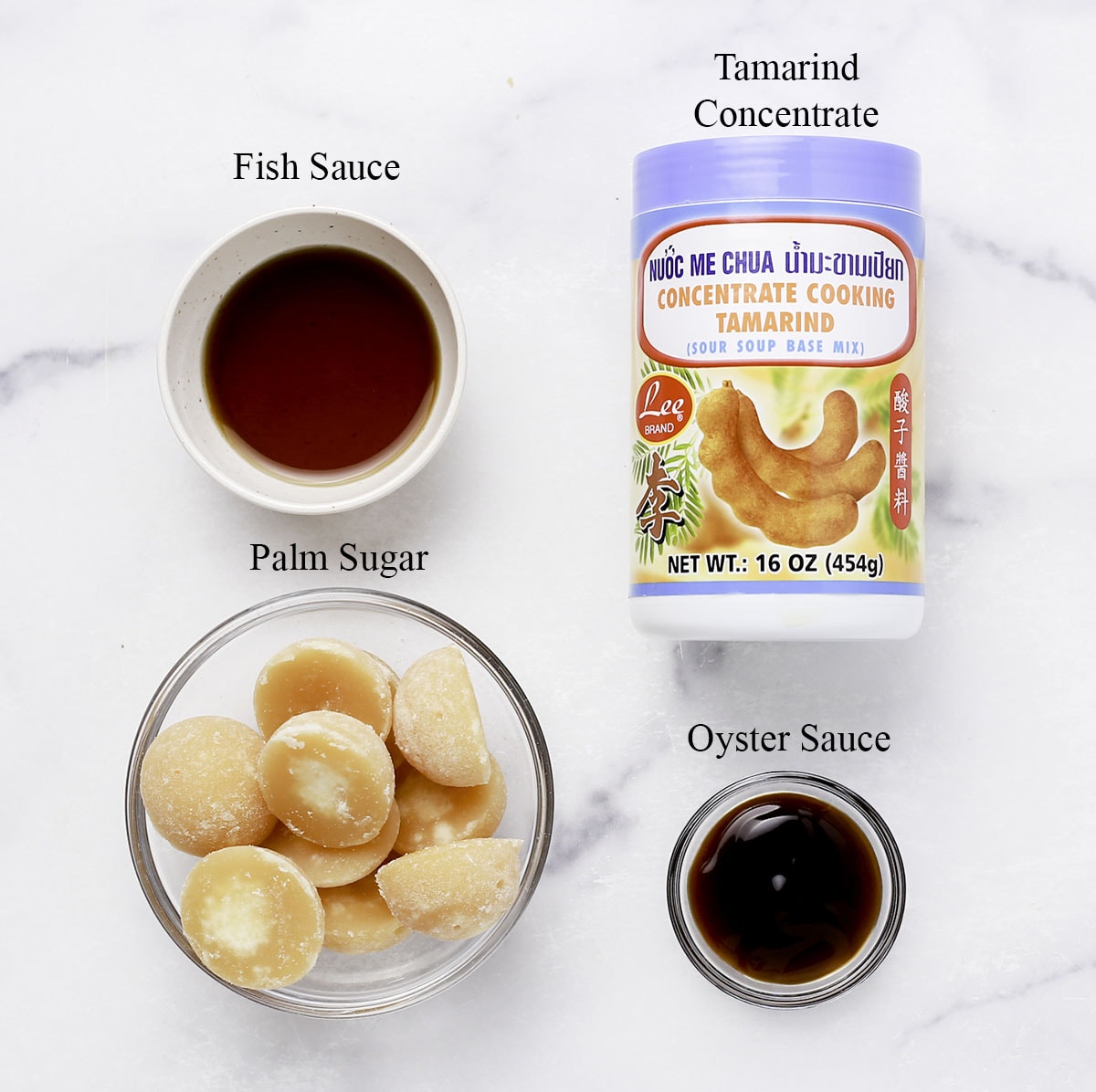
- Fish sauce and oyster sauce - In authentic pad thai, small dried shrimps are added to give the pad thai an extra boost of umami. Instead, we're using a combination of fish sauce and oyster sauce to add umami and savoriness.
- Palm sugar - It's available at most Asian markets and you can usually find them in blocks or little half domes. For these types, just chopped them up before use. If you can't find palm sugar, you can substitute with light or dark brown sugar.
- Cooking tamarind concentrate - Make sure to choose a tamarind concentrate from Thailand, not India! The flavor, appearance, and consistency is different. Also, the tanginess/potency of tamarind concentrate can vary from brand to brand. So when you first try our recipe, use only 6 tablespoons and add more to taste. But if you need a magic number, we like to use 7 tablespoons.
How to make shrimp pad thai
Please scroll down to the recipe card for the full recipe and instructions!
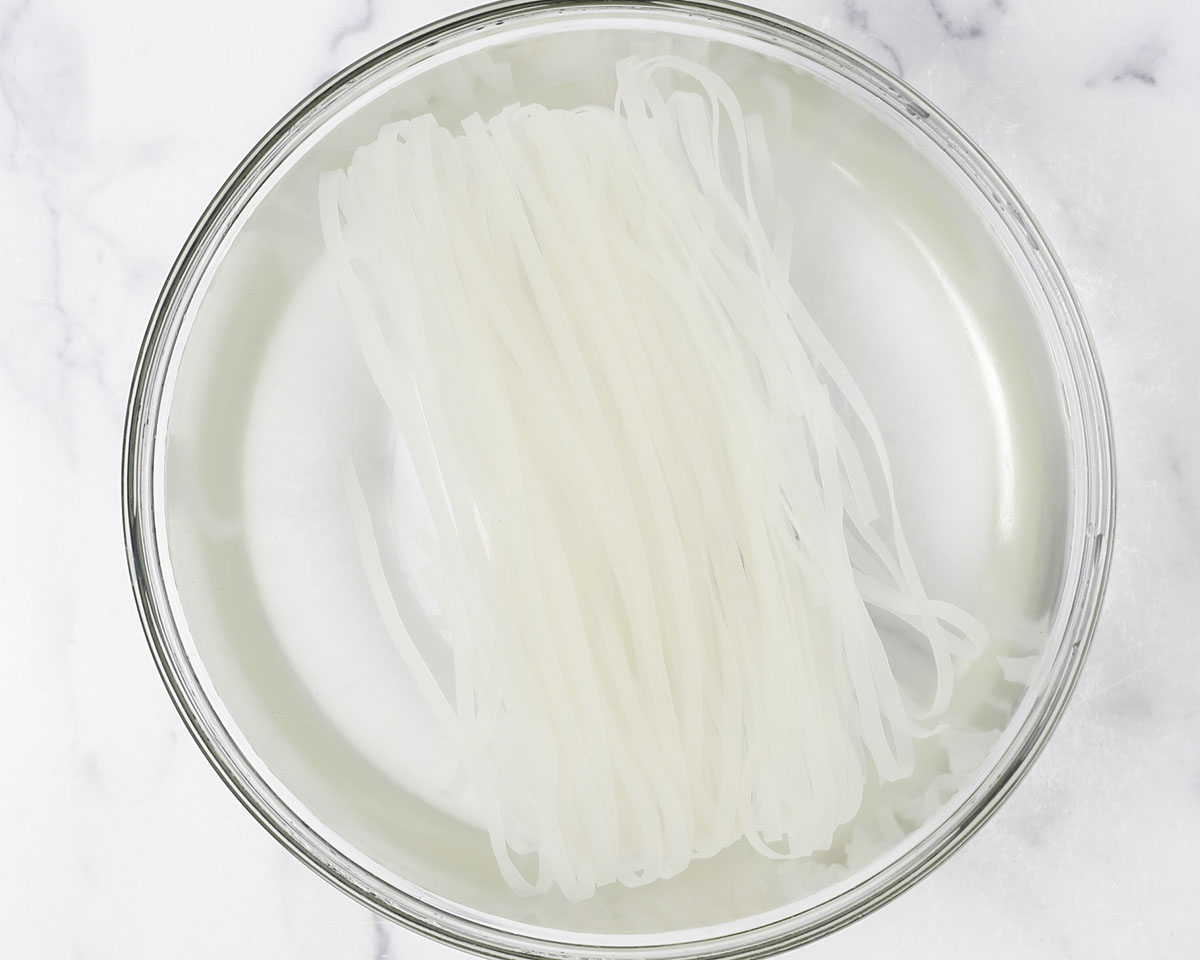
Soak the rice noodle
Place the dry noodles in a heatproof bowl and cover it with boiling hot water. Let the noodles soak for 5-10 minutes until the noodles are limp and have become pliable. Drain and rinse with cold water, then drain well.
If you have time, you can soak the noodles in warm water for about an hour.
Season the shrimp
Place the shrimp into a bowl and season with salt. Mix well and set aside until needed.
Make the sauce
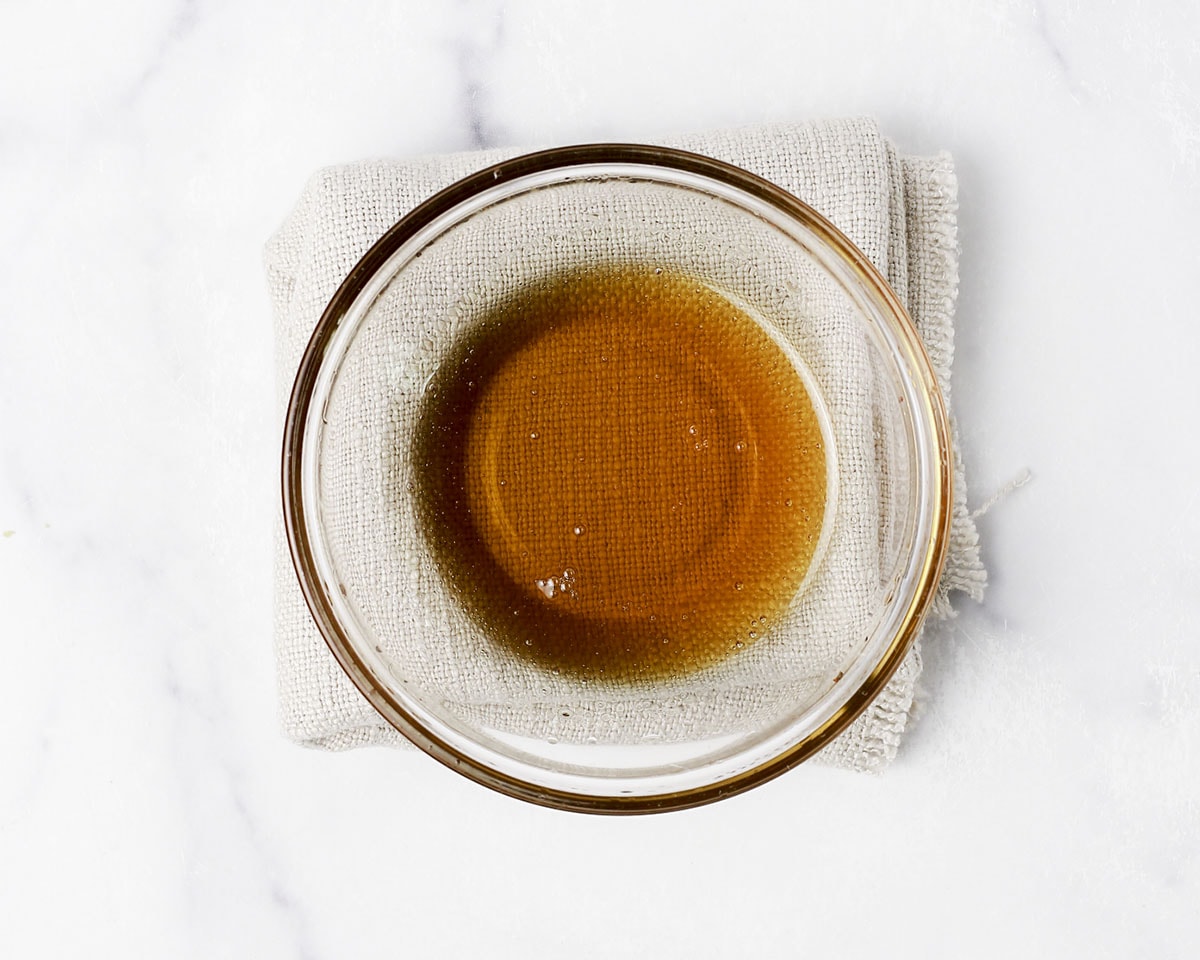
Mix the chopped palm sugar and water in a heatproof, microwave-safe bowl. Microwave on high for about 1 minute 30 seconds to 2 minutes, until the sugar has melted, is bubbling, and a deep amber color. Carefully remove the bowl with a towel or oven mitt. It will be hot!
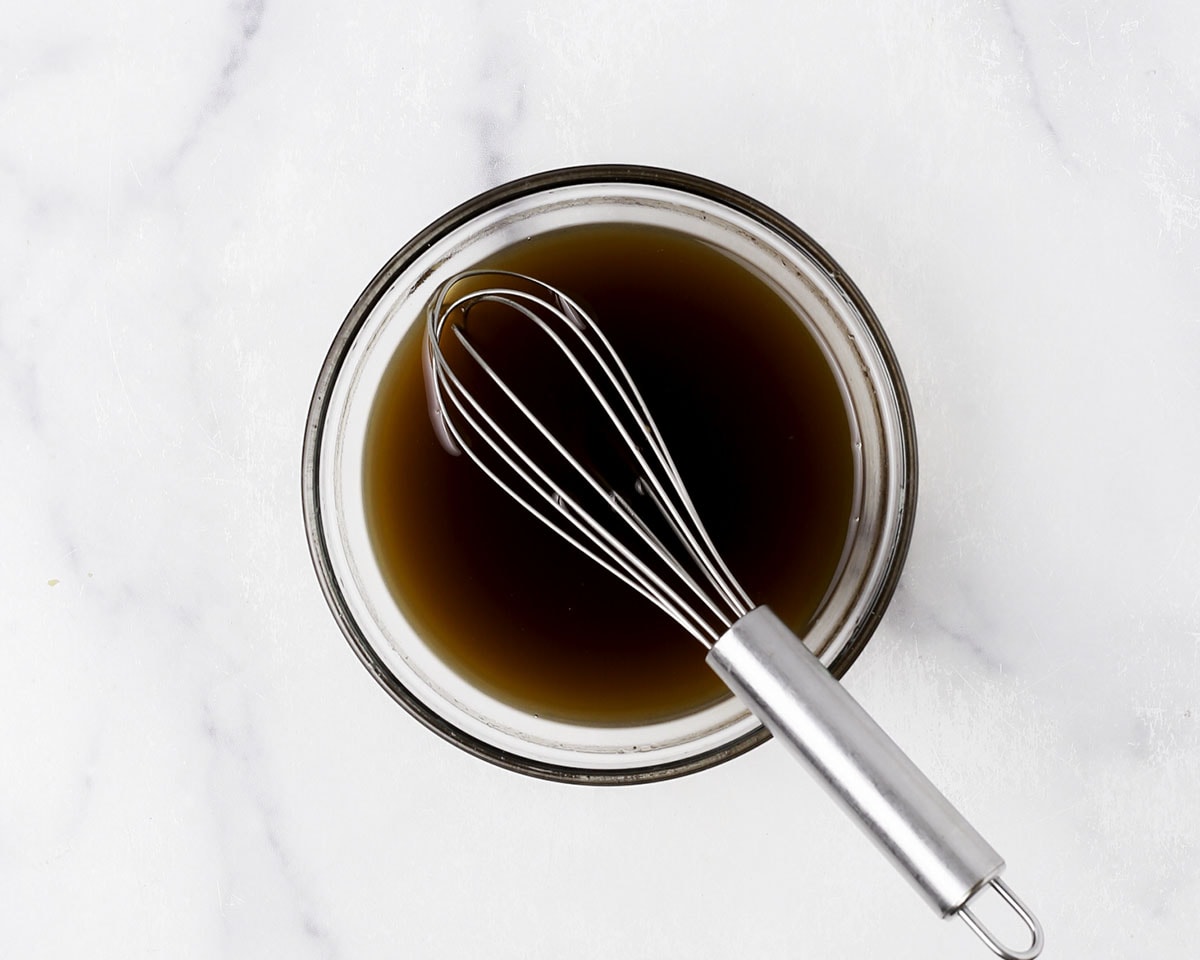
Whisk in the tamarind concentrate, fish sauce, and oyster sauce until well combined.
Sear the shrimp
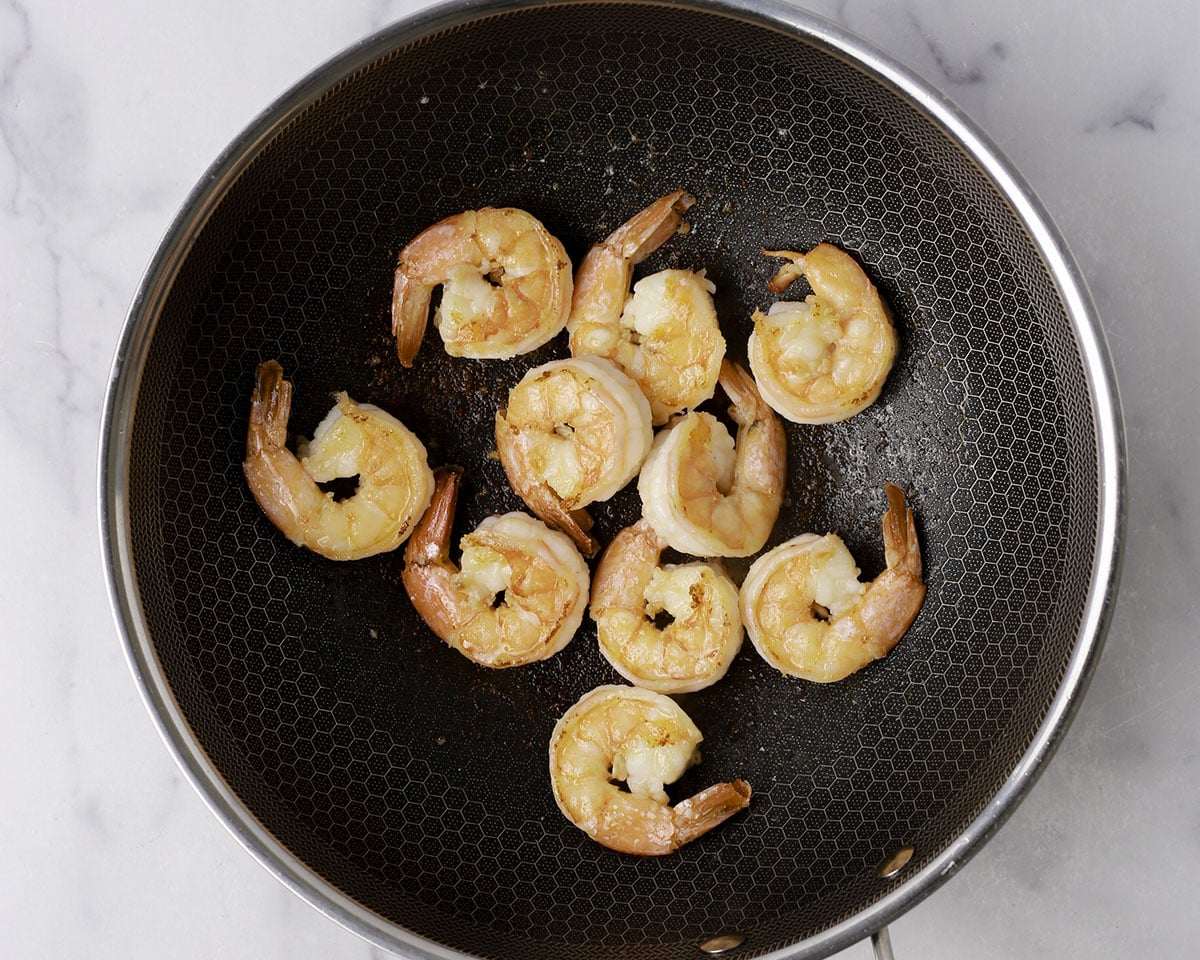
Heat a wok or a large pan with a little oil. When the oil is hot, pan-sear the shrimp on both sides until just cooked. Remove and set aside.
Scramble the egg
In the same wok/pan over medium high heat, add a generous amount of oil. When the oil is shimmering and just starts to smoke, crack in the egg. Scramble until just cooked and push it aside. You can also remove the egg and add it later.
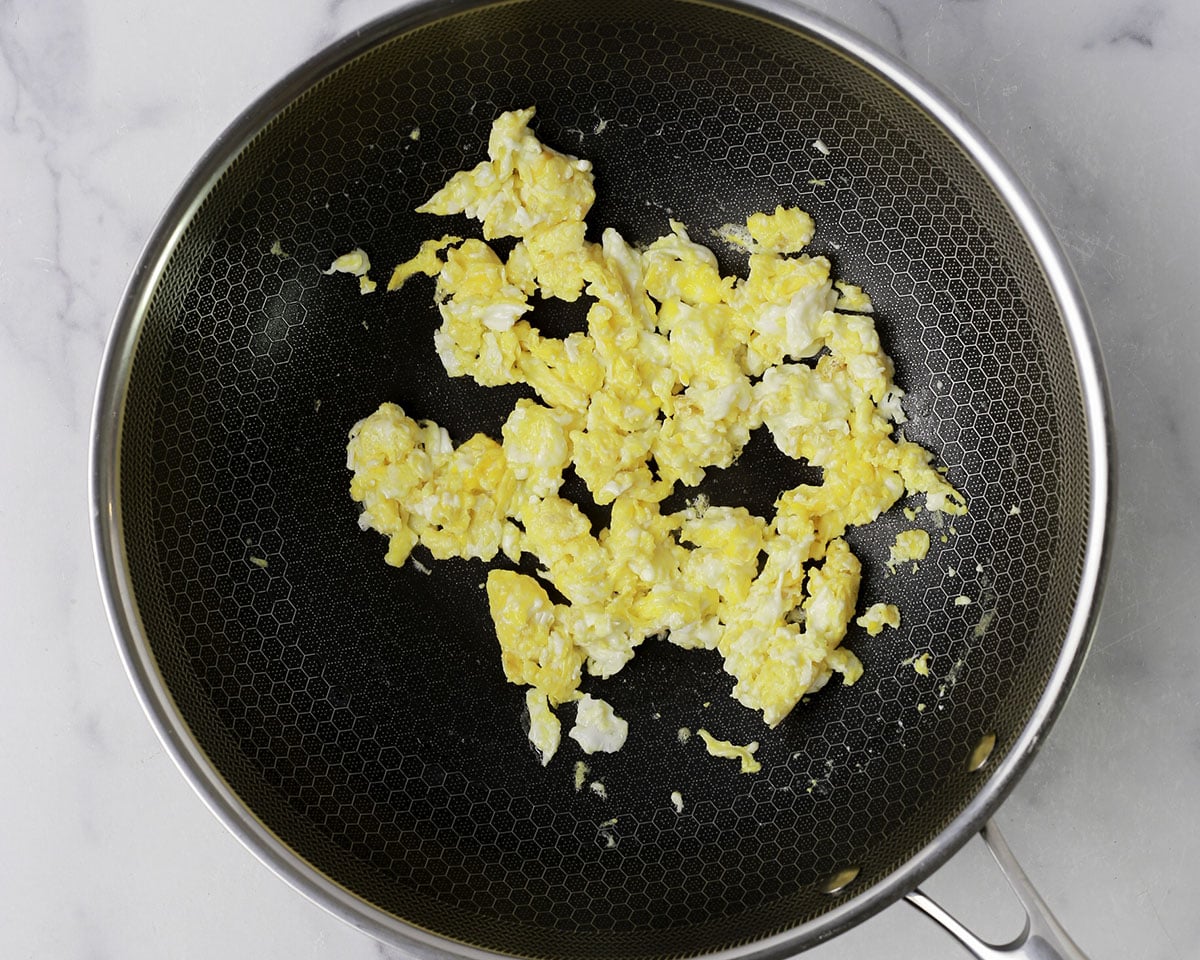
Make the pad thai
Reduce the heat to medium and add a little more oil to the wok. When it's hot, add the garlic. Cook until fragrant, then add the bean sprouts and whites of the green onion. Stir fry until the green onion has softened. Then add the soaked rice noodles, eggs (if removed), and the pad thai sauce.
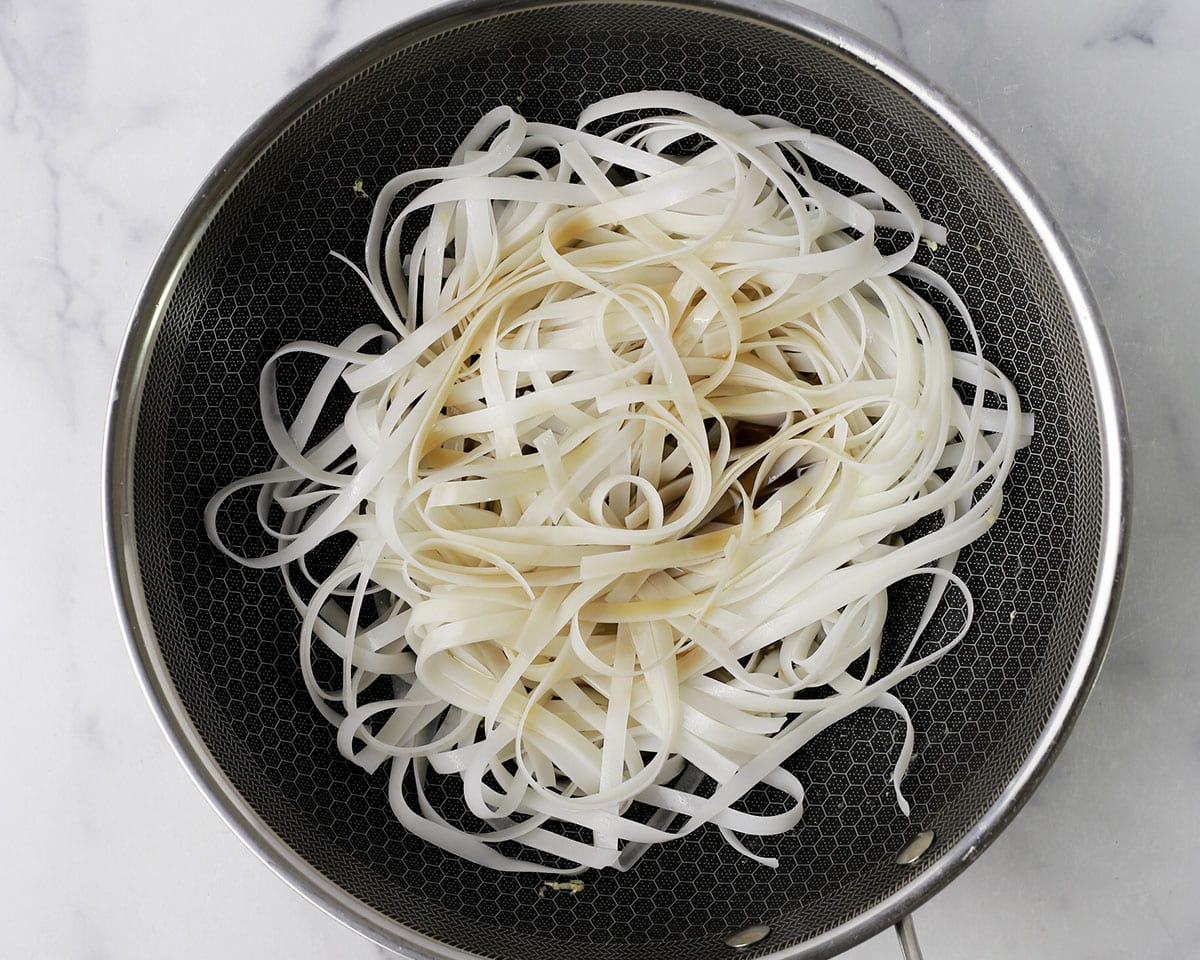
Gently mix until the noodles start to soften, then increase the heat to medium high. Toss the noodles until the the sauce is about three-quarter of the way absorbed. Then add the chopped peanuts, shrimp, and green parts of the green onion. Toss to combine.
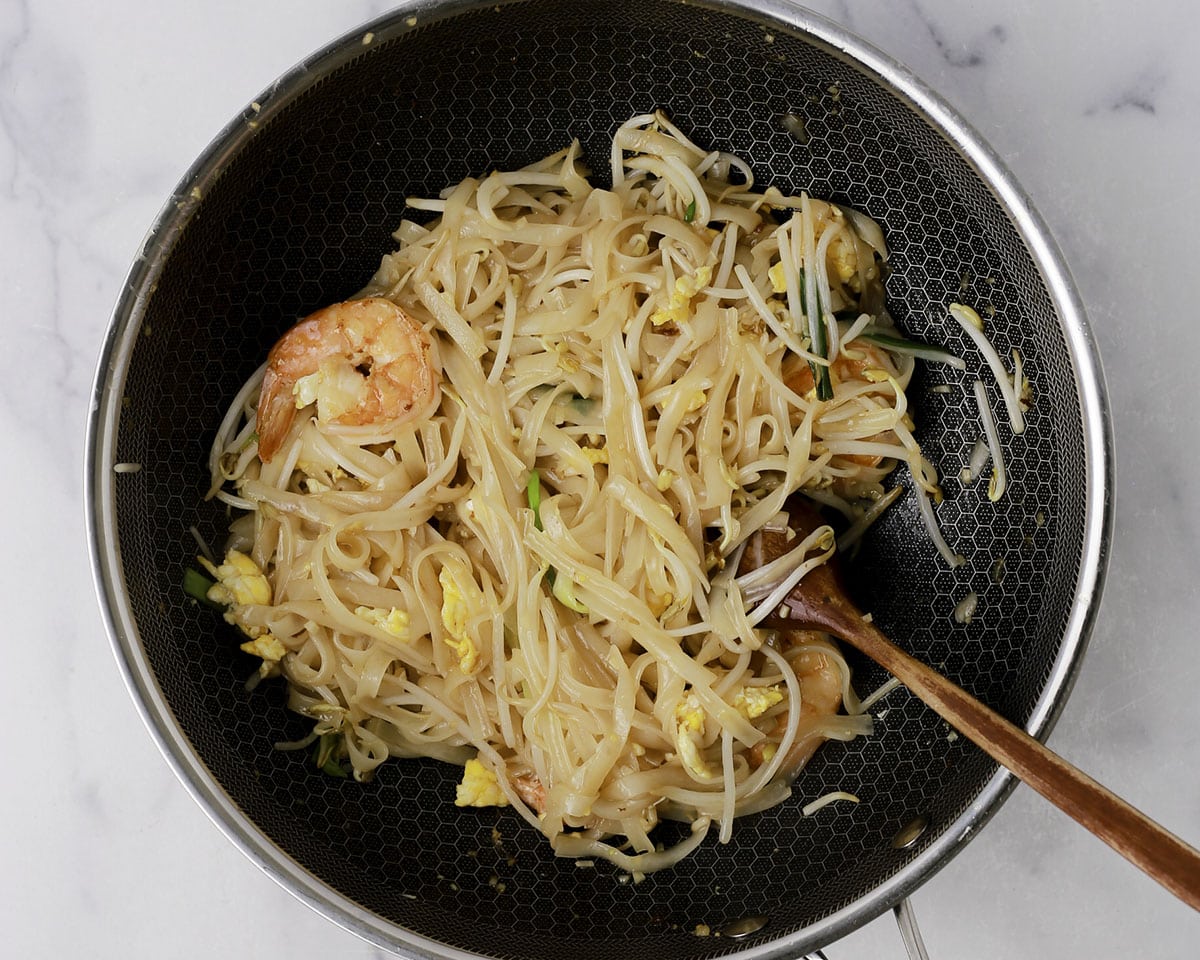
💡Pro tip
The secret to unbroken noodles
✔ First and most importantly, if you want whole, unbroken strands of pad thai noodles, don't overcook it! The first step to preventing overcooked noodles is to not boil it, because the noodles will be cooked before it gets stir fried and overcooked by the time it makes its way to your pad thai.
✔ Second, when the noodles start to soften (after adding the sauce), it is best to only toss the noodles using the wok/pan, with a pair of tongs, or use a chopsticks and spoon combo to lift and flip the noodles. It's best to avoid the mixing motion to prevent breaking the noodles.
✔ Lastly, don't cook more than two servings of pad thai at one time. If you have a smaller wok/pan, cook just one serving at a time. Having too much noodle in a pan will prevent even cooking. This means the noodles will have to be cooked longer and needs more tossing , which increases the chance of overcooking and breaking the noodles.
Storage and reheating
Pad thai is best enjoyed freshly made because the noodles tend to become soft and breaks as it sits. But on the bright side, the leftover rice noodles soak up all the deliciously sweet and tangy pad thai sauce, making it extra flavorful on the next day. So if you have leftover, all is not lost!
Leftover shrimp pad thai can be stored in an airtight container and refrigerated for up to 3 days. To reheat, microwave until warmed through, mixing in between.
FAQs
Contrary to what your noodle's packaging instructs, don't boil your noodles! Boiling overcooks the noodles before it gets stir-fried. Instead, soak dried rice noodles in boiling hot water for 5-10 minutes, or if you have time, in warm water for about 1 hour. Different brands may require shorter soak time.
That is likely because the noodles are getting rehydrated and overcooked. Once the rice noodles starts softening in your wok/pan, the noodles become much more fragile. So instead of mixing the noodles, we recommend tossing the noodles with your wok/pan, with a pair of tongs, or lift and flip with a spoon and chopsticks.
If you can't find palm sugar, you can substitute with light or dark brown sugar.
Absolutely! You can swap the shrimp for your preferred proteins. Common alternatives are sliced chicken breast and tofu. If using chicken breast, season it with salt like you would the shrimp and pan-sear until they are just cooked. For the tofu, we recommend firm tofu. Cut the tofu into slices of cubes and pan-sear them until golden brown.
📖 Recipe
Shrimp Pad Thai
Ingredients
For the pad thai
- 8 ounces dried flat rice noodle (large size) *see notes
- 8 ounces jumbo shrimps peeled and deveined
- ¼ teaspoon salt
- 4 tablespoons neutral oil divided
- 2 large eggs
- 1 tablespoon minced garlic
- 8 ounces mung bean sprouts rinsed and drained well (plus more for serving if desired)
- 4 stalks green onion cut into 2 inch (5cm) pieces; whites and greens separated
- 2 tablespoons chopped peanuts plus more for serving if desired
- Lime optional for serving
- Thai ground chili or cayenne (optional for serving)
Pad thai sauce
- 6 tablespoons palm sugar finely chopped and packed* see notes
- 2 tablespoons water
- 6-8 tablespoons cooking tamarind concentrate *see notes
- 2 tablespoons fish sauce
- 1 tablespoon oyster sauce
Instructions
- Soak the noodles:Bring a pot of water to a boil. When the water is ready, place the dried rice noodles in a wide heatproof bowl and pour the boiling hot water over the noodles, making sure to cover completely. Let the noodles soak for 5-10 minutes, until the noodles are limp and have become pliable. Then drain and rinse with cold water immediately. Drain well and set aside. Alternatively, if you have time, you can soak the noodles in warm water for about 1 hour. Drain well.8 ounces dried flat rice noodle (large size)
- Season the shrimp:Place the shrimp into a bowl and season with salt. Mix well and set aside until needed.8 ounces jumbo shrimps, ¼ teaspoon salt
- Make the sauce:Place the chopped palm sugar and water into a heatproof bowl and give it a quick mix. Microwave on high power for about 1 minute 30 seconds to 2 minutes, or until the sugar has completely melted, is bubbling, and the color is a deep amber. Carefully remove the bowl with a towel or oven mitt. It will be hot! To the sugar syrup, add the remaining sauce ingredients and mix until well combined with a whisk. Set aside until needed.Alternatively, you can do this on the stovetop. Just place the sugar and water in a small pan and cook over medium heat until the syrup is a deep amber color. Then take the pan off the heat and whisk in the remaining ingredients.6 tablespoons palm sugar, 2 tablespoons water, 2 tablespoons fish sauce, 1 tablespoon oyster sauce, 6-8 tablespoons cooking tamarind concentrate
- Pan-sear the shrimp:In a wok or large pan over medium high heat, add about a tablespoon (15ml) of oil. When the oil is hot, add the shrimp and pan-sear them on both sides until just cooked, about 1-2 minutes per side. Remove the shrimp and set aside.4 tablespoons neutral oil
- Make the pad thai:In the same wok or pan over medium high heat, add about 2 tablespoons (30ml) of oil. Heat the oil until it's shimmering and just starts to smoke. Crack in the eggs and scramble until just cooked. Then reduce the heat to medium and push the egg aside (or remove and add back in later).2 large eggs
- Add the last tablespoon of oil. Once hot, add the minced garlic and stir-fry for 15-30 seconds, until fragrant. Add the bean sprouts and the whites of the green onion and stir fry until the green onion has softened.1 tablespoon minced garlic, 8 ounces mung bean sprouts, 4 stalks green onion
- Then add the soaked rice noodles, eggs (if set aside), and the pad thai sauce. Gently mix until the noodles starts to soften, then increase the heat to medium high. Toss the noodles until the sauce is about three-quarter of the way absorbed. Add the chopped peanuts, shrimp, and green parts of the green onion, and toss until everything is well combined.2 tablespoons chopped peanuts
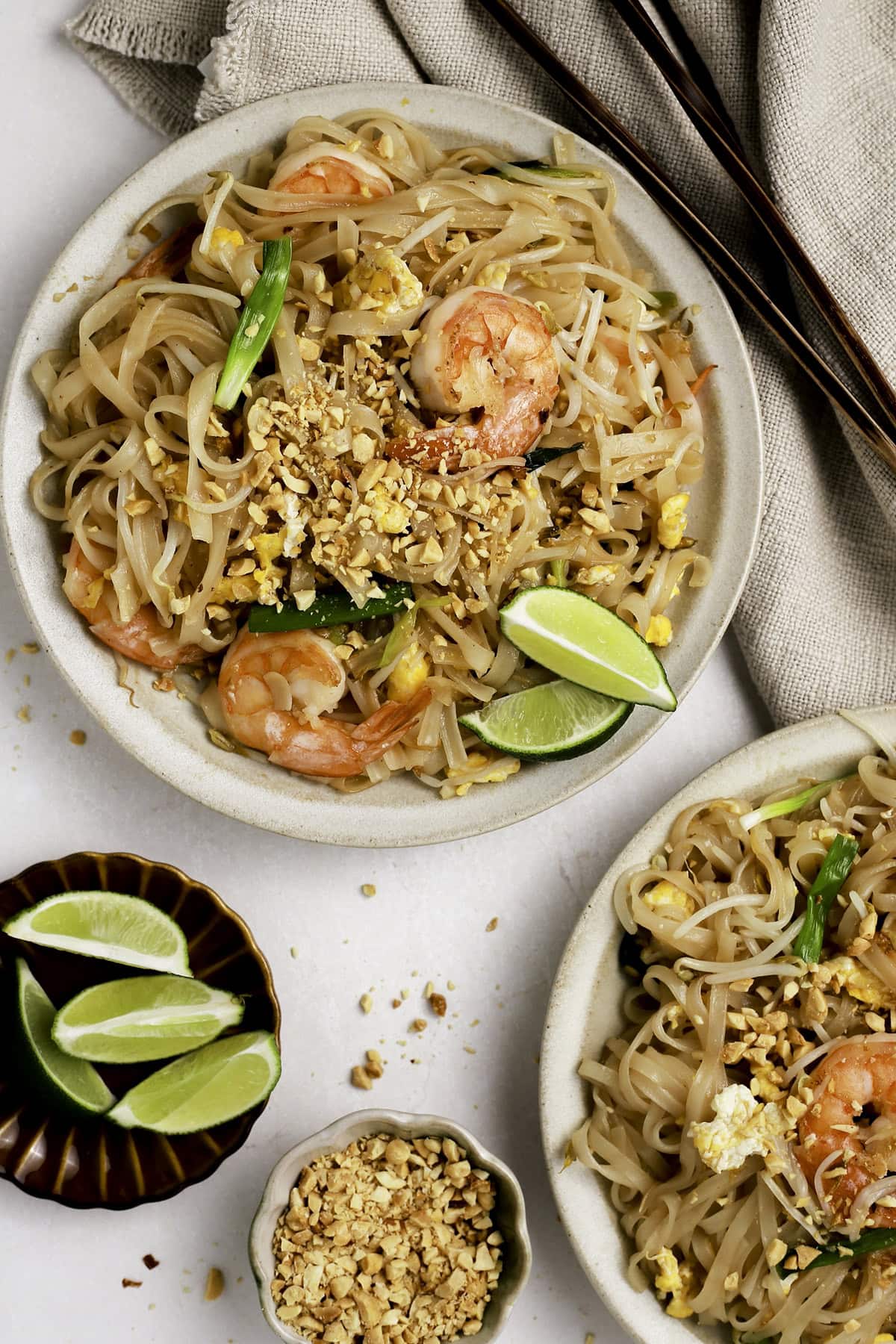
- Serve immediately, and if desired, garnish with a sprinkle of peanuts, more mung bean sprouts, some lime wedges, and Thai chili pepper (if you want to add a kick). Right before eating, give the lime a squeeze around the plate to give the pad thai extra brightness and tanginess.Lime, Thai ground chili
Notes
- Making a larger batch - Even if you're doubling the recipe or more, we recommend that you cook no more than 2 servings of pad thai at a time to prevent overcooking the noodles and making them soggy and break.
- Rice noodle (also called rice sticks) - For dried pad thai noodles, we like to use Erawan brand's "size L".
- You can also use fresh pad thai noodles. They're technically semi-dried and vacuum packed and can be found in the refrigerated aisle of your Asian market. For these noodles, use 16 ounces per recipe. We like cut them in half first so that they're shorter easier for tossing later, then cover and soak them in warm water for 15-30 minutes before use.
- Palm sugar - If you can't find palm sugar you can use light or dark brown sugar instead. Just heat the water and sugar until dissolved.
- Tamarind concentrate - Look for tamarind concentrate from Thailand. Depending on the brands, the tanginess can differ. Our magic number is 7 tablespoon based on the brand we use (see post above for photo reference). But feel free to start with 6 tbsp and add more tamarind concentrate to achieve your preferred tanginess.
Equipments Recommended
Nutrition
Comments
No Comments