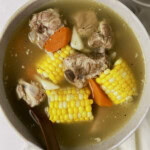
Chinese Pork Rib Soup
Our Chinese pork rib soup is a cozy, comforting soup that's flavorful, nutritious, and also very versatile. We shared 3 different variations you can make so you can have it on rotation without truly repeating. Plus, it's perfect for meal prepping, which means you can have soup with any meal in 15 minutes or less!
Ingredients
Pork rib soup:
- 3 pounds pork riblets cut into smaller pieces between the bones* see notes
- 1½ pound pork bones or substitute with more spareribs
- 16 cups water
- 2 tablespoons dried scallops (optional)
- 2 tablespoons dried goji berries (optional)
- 1 tablespoon Kosher salt or as needed for seasoning
- Crack black pepper as needed
Variation #1:
- 1 pound mountain yam peeled and cut into 1 inch chunks* see notes
- 2 large carrot peeled and cut into ½ inch chunks
- 2 ears sweet corn on the cob husk removed and cut into 2-4 smaller chunks per ear
Variation #2:
- 3 pounds winter melon peeled and cut into ½ inch slices
Variation #3:
- 2 pounds daikon radish (or Korean radish) peeled and cut into ½ inch bite size pieces
- 1 large carrot peeled and cut into ½ inch chunks
- 14 ounces firm tofu drained and cut into 1 inch cubes
Instructions
Pork rib soup:
- Place the pork ribs and pork bones into a large stock pot and fill with enough water to cover the ribs and bones by 2 inches. Heat the pot over medium high heat and bring to a boil then reduce to a simmer. Let the ribs and bones cook for about 10 minutes to extract the blood and scum.
- Place a large colander in your kitchen sink, and after 10 minutes, carefully drain the ribs and bones into the colander. Rinse briefly with cold water to cool the ribs and bones down. When the ribs and bones are cool enough for you to handle, rinse and clean each one under warm water with your fingers to remove stubborn bone shrapnels and scum. This step is tedious, but well worth the effort, so don't skip it! Wash your sock pot if needed and place the ribs and bones back into the pot.
- To the pot of pork ribs and bones, add the water, dry scallops, dry goji berries, and salt. Bring the soup to a very gentle simmer and cover with a lid. Let the soup simmer for 1 to 2 hours or until the ribs are very almost fall off the bones tender.
- At this point, the soup is ready to be cooled, portioned, and frozen for meal prepping or you can continue to the next steps if you plan on serving it immediately. If meal prepping, you can reduce the amount of veggies/pairing ingredients you need based on your portion size.
Variation #1:
- Once the pork ribs are tender, add the yam and carrots and bring the soup back to a simmer, cover, and cook for about 10 minutes or until the carrots and yams are just fork tender. Then add the corn and cook for another 5 minutes, with the lid on.
- If you're substituting with potatoes, add the potatoes first and cook for about 5 minutes, then add the carrots. Once the potatoes and carrots are fork tender, about 10 minutes, add the corn and cook for 5 minutes.
Variation #2:
- When the pork ribs are tender, add the winter melon and cover with the lid. Bring the soup back to a simmer and cook for about 10 to 15 minutes or until the winter melon looks almost translucent and is fork tender.
Variation #3:
- When the pork ribs are tender, add the radish and bring the soup back to a simmer. Cook the radish for about 5 minutes before adding the carrot and tofu. Then cook for another 10 minutes or until the radish and carrots are both fork tender.
Finish:
- To finish, taste and season the soup with more salt as needed. Enjoy the soup by itself or as a side to your meal. Serve with a few cracks of black pepper. For the pork bones, you can sometimes pick off decent morsels of meat off of it. Also, we like our soup less seasoned but dip our pork in a little soy sauce for some extra flavor.
Notes
Please refer to the post above for step by step photo reference, ingredient notes, tips, storage, and more!
- Serving size - This recipe makes about 4-5qt of pork rib soup without the extra variation ingredients and the nutritional information is also without the extra ingredients.
- With the variation ingredients added, the soup makes about 5 to 6 servings, but as a side, it makes about 8 to 10 servings.
- Riblets - You'll likely purchase pork spareribs cut across the bones to get shorter chains of ribs. Cut the riblets between each bone to get smaller pieces of ribs. This will shorten cooking time and make eating easier.
- Mountain yams - These roots are also known as nagaimo. We recommend the iron nagaimo, which look like dark brown roots that are about 1 to 2 inches thick. If you don't have mountain yams in your area, you can substitute it for potatoes. We recommend gold potatoes, peeled and cut into 1 inch chunks.
Nutrition
Serving: 1quart | Calories: 771.9kcal | Carbohydrates: 2.9g | Protein: 43.3g | Fat: 63.8g | Saturated Fat: 20.5g | Polyunsaturated Fat: 10.8g | Monounsaturated Fat: 23.3g | Trans Fat: 0.6g | Cholesterol: 219.1mg | Sodium: 1724.8mg | Potassium: 671mg | Fiber: 0.3g | Sugar: 2g | Vitamin A: 0.2IU | Calcium: 64.8mg | Iron: 2.5mg
Keywords: easy recipe, meal prep
Tried this recipe?Mention @two_plaid_aprons or tag #twoplaidaprons!