
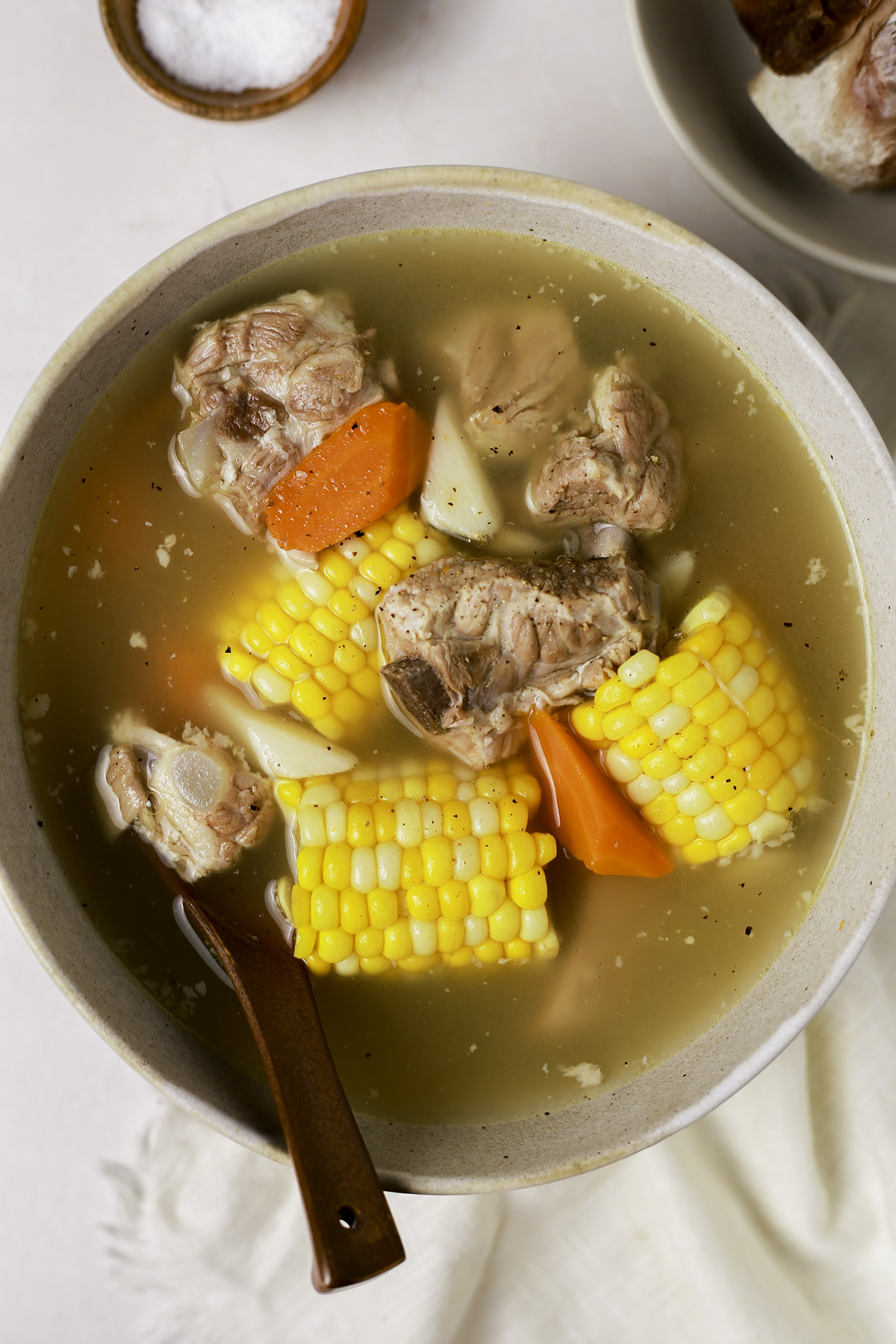
Our Chinese pork rib soup is a cozy, comforting soup that uses pork ribs as the base and pork bones, dried scallops and dried goji berries are added to give the soup more flavor and nutrition. It's also a very versatile soup that's easy to make. You can add a variety of vegetables to the soup, so your meals never really repeat even if you serve this soup a few times a week. Plus, it's perfect for meal prepping, which means you can have soup with any meal in 15 minutes or less!
You can enjoy the soup by itself, but we usually make it part of our meal along with some steamed white rice, sides like our Chinese broccoli stir fry or tomato egg stir fry, and a main protein like Chinese steamed fish.
Jump to:
Ingredient notes
Please scroll down to the recipe card for the ingredient quantities!
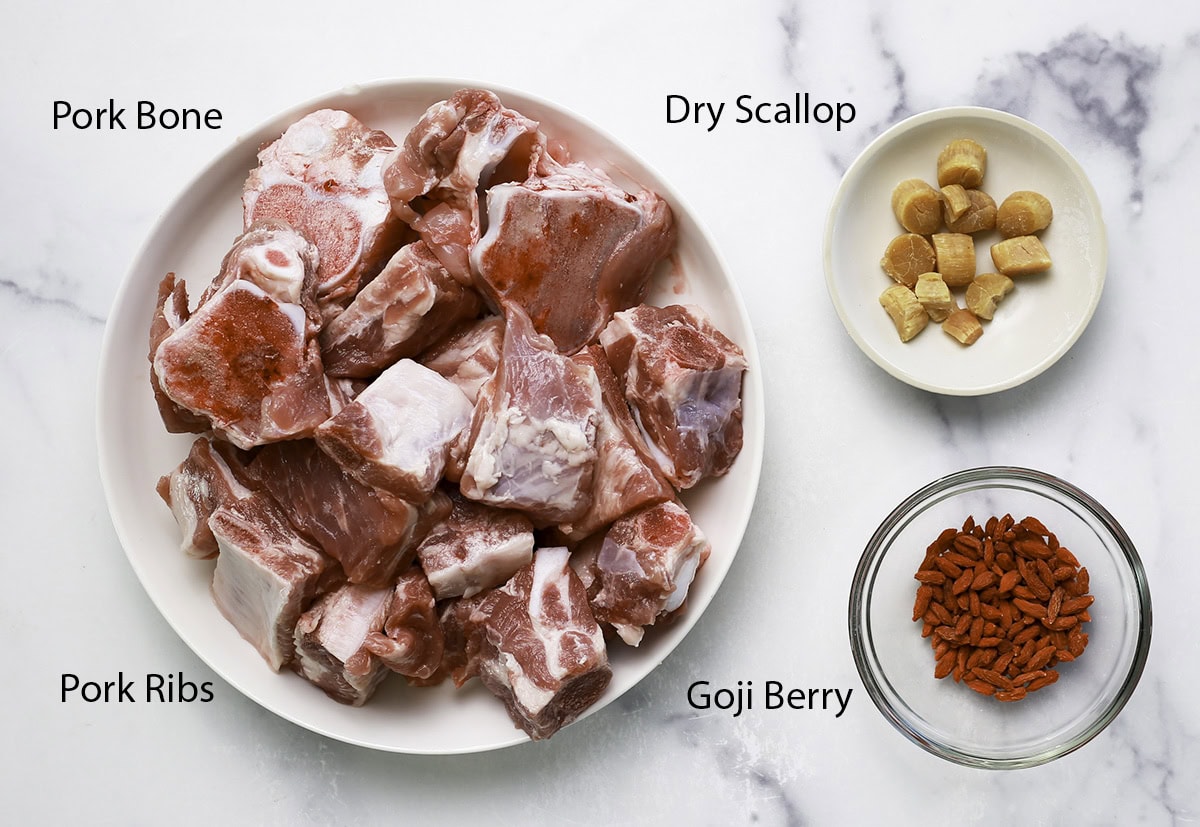
- Pork ribs - We recommend getting pork riblets, which are spareribs cut across the bones to make shorter ribs. For the soup, cut the riblets between each bone to get smaller pieces. This will reduce cooking time and make eating easier.
- Pork bones - Any pork bones will do. This is to make the soup more nutritious and flavorful. If you prefer, you can use more pork ribs instead.
- Dried scallops - You can find dried scallops in the refrigerated aisles of most Asian markets. They add an extra layer of umami to soups, fillings, and stir fries, like in our dim sum turnip cake and savory Chinese sticky rice recipe.
- Dried goji berries - They add a mild, natural sweetness to the soup, and it also makes the soup more nutritious. Goji berry is something my mom add to most of her Chinese soups.
- Salt and black pepper- We used Kosher salt, but any salt will do. If you're using sea salt, reduce the amount used and adjust as needed.
How to make Chinese pork rib soup
Please scroll down to the recipe card for the full recipe and instructions!
1. Blanch the ribs and bones. Add the pork ribs and pork bones into a large stock pot and fill with enough water to cover them by 2 inches. Bring to a boil then reduce to a simmer. Let the ribs and bones cook for about 10 minutes. You'll see scum float to the surface.
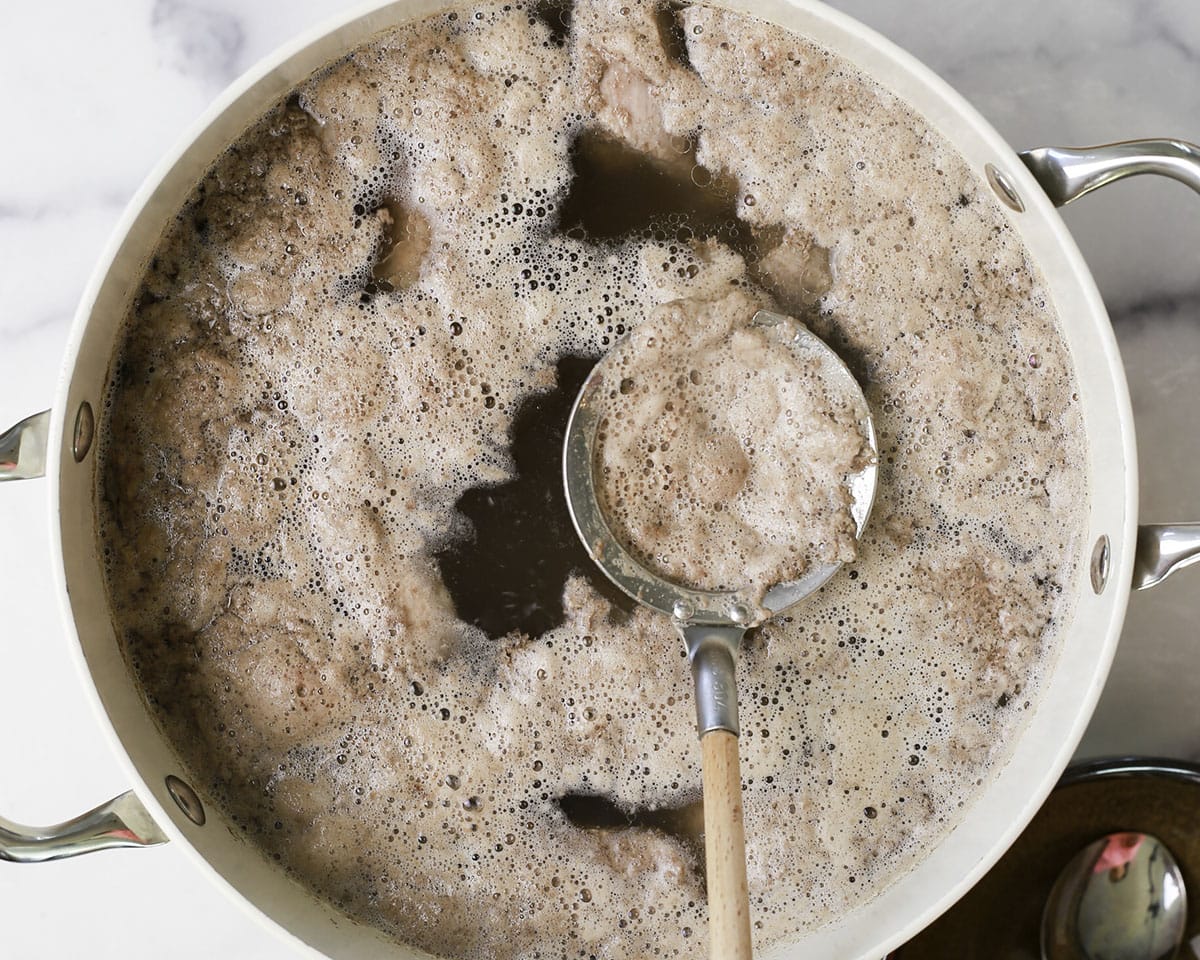
2. Drain and rinse. This step is tedious, but well worth the effort, so don't skip it! Prepare a large colander in your kitchen sink, and after 10 minutes, drain the ribs and bones into the colander. It'll be really hot, so be careful! Rinse briefly with cold water to cool the ribs and bones down. When the ribs and bones are cool enough to handle, rinse and clean each one under warm water with your fingers to remove stubborn bone shrapnels and scum. Wash your sock pot if needed and place the ribs and bones back into the pot.
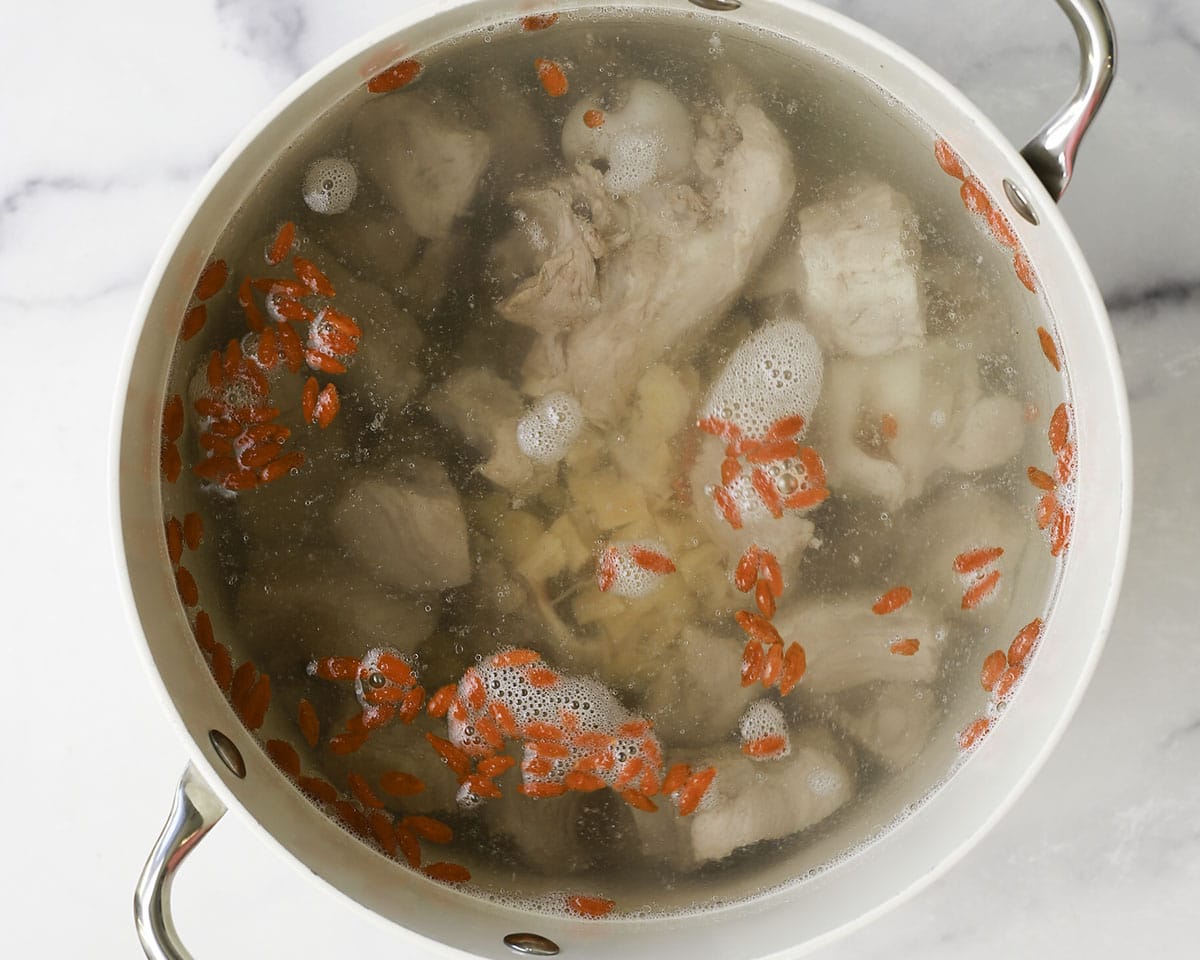
3. Cook. Add the water, dry scallops, dry goji berries, and salt to the pot of blanched pork ribs and bones and bring to a very gentle simmer. Cover with a lid and let the soup simmer for 1 to 2 hours or until the ribs are very almost fall off the bones tender. Skim soup occasionally for excess fat.
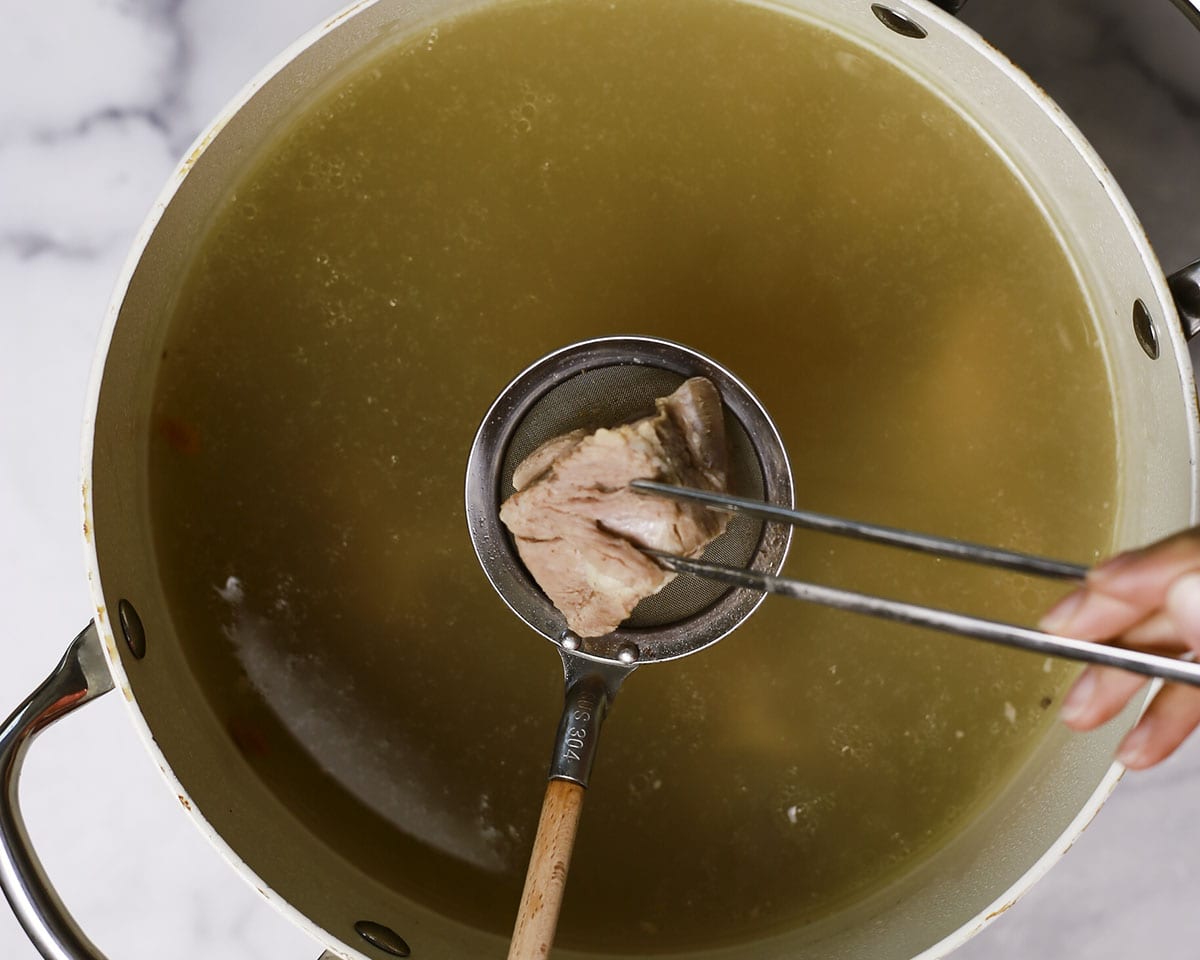
4. Meal prep or serve. At this point, the soup is ready to be cooled, portioned, and frozen for meal prepping or you can choose a variation of pork rib soup you want to make if you plan to serve it immediately.
Variations you can make
#1 - Mountain yam, carrot, and corn on the cob
Mountain yam is also known as nagaimo and there's two main varieties. There's the Japanese nagaimo, which are thick and has a sandy color on the outside. This one is more accessible and often used in Japanese soups and in nabe and it's a bit more watery. The ones we prefer are called iron nagaimo and they're much thinner, about 1 to 2 inches thick, and dark brown on the outside. They are a bit starchier. When peeling either nagaimo, make sure to wear gloves as they could irritate your skin. If you can't find nagaimo, you can substitute with potatoes.
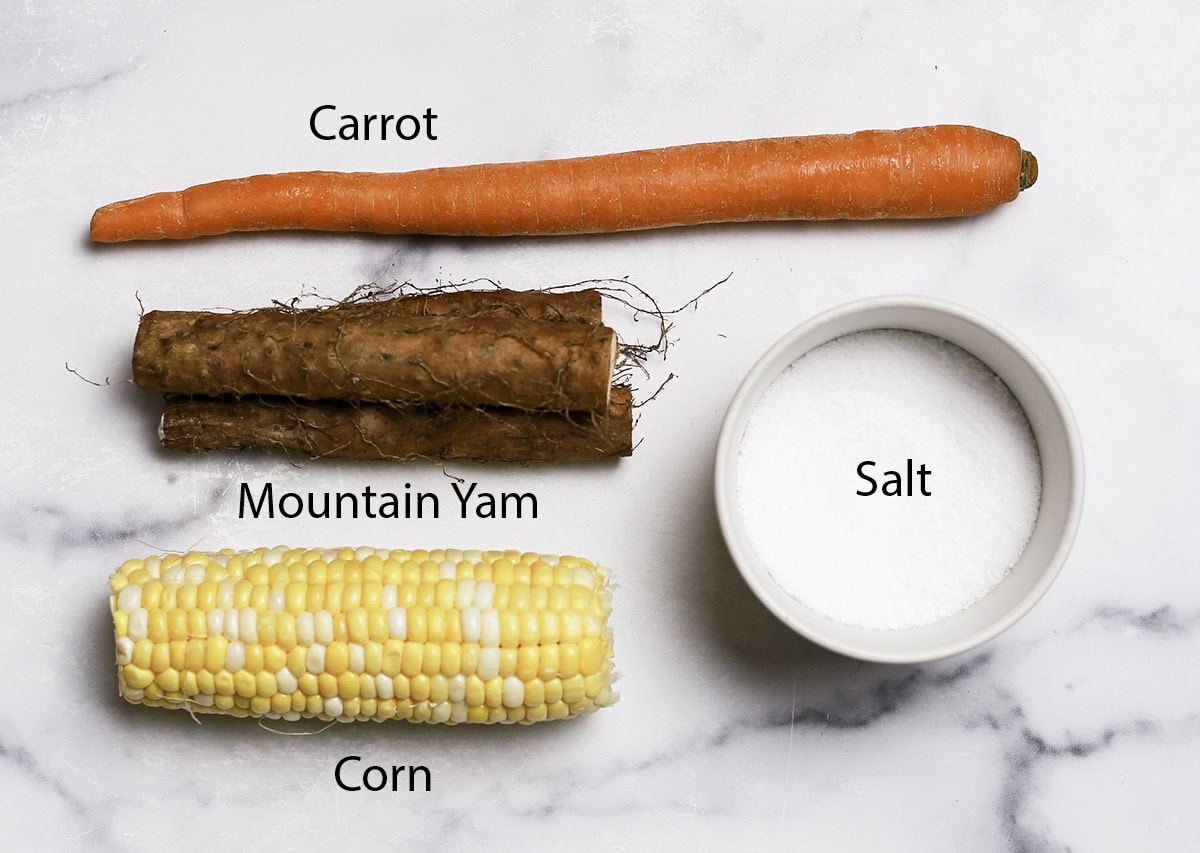
If choosing this option, cut the yam into 1 inch pieces, the carrot into ½ inch chunks, and the corn into smaller cob segments. Add the mountain yam and carrots first and let it cook until just fork tender, about 10 minutes. Then add the corn and cook for another 5 minutes.
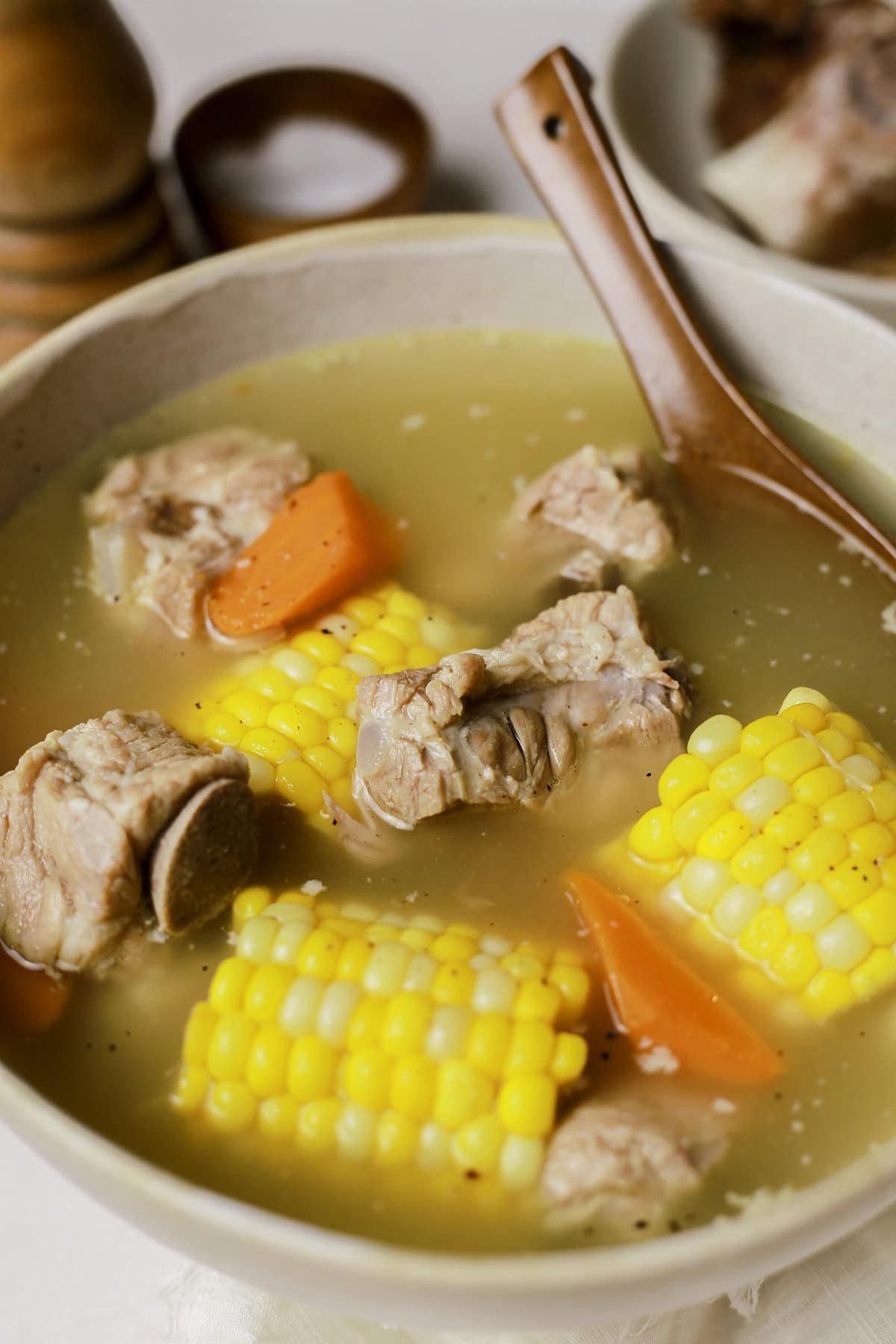
#2 - Winter melon
Winter melon is one of my favorite gourds, and it tastes especially delicious in pork rib soup. Asian markets often will sell winter melon cut into large chunks so you won't have to purchase an entire winter melon, which could sometimes weigh up to 30 pounds! When choosing winter melons, find one that's thick and meaty. You'll need to scoop and discard the seeds and peel the skin. We like to peel the skin with a knife because the skin can be too thick for some vegetable peeler.
For this winter melon variation, cut the winter melon into ½ inch, bite size slices. Add the winter melon to the soup and let it cook for about 10 to 15 minutes or until the winter melon looks kind of translucent and is fork tender.
#3 - Radish, carrot, and tofu
This variation tastes refreshing and a little sweet from the radish. We recommend either daikon radish or Korean radish for this soup. When choosing the perfect radish, find one that feels heavy for it's size. As for the tofu, we recommend firm tofu so that it doesn't break up too much in the soup, but medium firm tofu is fine too.
For this one, cut the radish and carrots into ½ inch bite size piece and the tofu into 1 inch cubes. Add the radish first and let it cook for about 5 minutes before adding the carrots and tofu, then let it cook for another 10 minutes or until the radish and carrots are fork tender.
Storage and meal prepping
If meal prepping, portion the pork rib soup (before adding the variation ingredients) into freezer safe containers after the soup has completely cooled. We like to use takeout-style quart containers. Freeze the soup for up to 3 months and thaw before use.
Leftover soup with the added variation ingredients is best kept refrigerated for up to 4 days. We don't recommend freezing as most of the added ingredients changes texture after freezing and thawing.

Reheating
Leftover soup can be reheated on the stovetop or microwaved in a microwave safe container.
Meal prepped soup should be thawed before use. Place the thawed soup into a saucepan or pot and bring to a boil then reduced to a simmer. Then add the variation ingredients as instructed and cook with a lid on. When the veggies are fork tender, taste and season with salt as needed.
📖 Recipe
Chinese Pork Rib Soup
Ingredients
Pork rib soup:
- 3 pounds pork riblets cut into smaller pieces between the bones* see notes
- 1½ pound pork bones or substitute with more spareribs
- 16 cups water
- 2 tablespoons dried scallops (optional)
- 2 tablespoons dried goji berries (optional)
- 1 tablespoon Kosher salt or as needed for seasoning
- Crack black pepper as needed
Variation #1:
- 1 pound mountain yam peeled and cut into 1 inch chunks* see notes
- 2 large carrot peeled and cut into ½ inch chunks
- 2 ears sweet corn on the cob husk removed and cut into 2-4 smaller chunks per ear
Variation #2:
- 3 pounds winter melon peeled and cut into ½ inch slices
Variation #3:
- 2 pounds daikon radish (or Korean radish) peeled and cut into ½ inch bite size pieces
- 1 large carrot peeled and cut into ½ inch chunks
- 14 ounces firm tofu drained and cut into 1 inch cubes
Instructions
Pork rib soup:
- Place the pork ribs and pork bones into a large stock pot and fill with enough water to cover the ribs and bones by 2 inches. Heat the pot over medium high heat and bring to a boil then reduce to a simmer. Let the ribs and bones cook for about 10 minutes to extract the blood and scum.
- Place a large colander in your kitchen sink, and after 10 minutes, carefully drain the ribs and bones into the colander. Rinse briefly with cold water to cool the ribs and bones down. When the ribs and bones are cool enough for you to handle, rinse and clean each one under warm water with your fingers to remove stubborn bone shrapnels and scum. This step is tedious, but well worth the effort, so don't skip it! Wash your sock pot if needed and place the ribs and bones back into the pot.
- To the pot of pork ribs and bones, add the water, dry scallops, dry goji berries, and salt. Bring the soup to a very gentle simmer and cover with a lid. Let the soup simmer for 1 to 2 hours or until the ribs are very almost fall off the bones tender.
- At this point, the soup is ready to be cooled, portioned, and frozen for meal prepping or you can continue to the next steps if you plan on serving it immediately. If meal prepping, you can reduce the amount of veggies/pairing ingredients you need based on your portion size.
Variation #1:
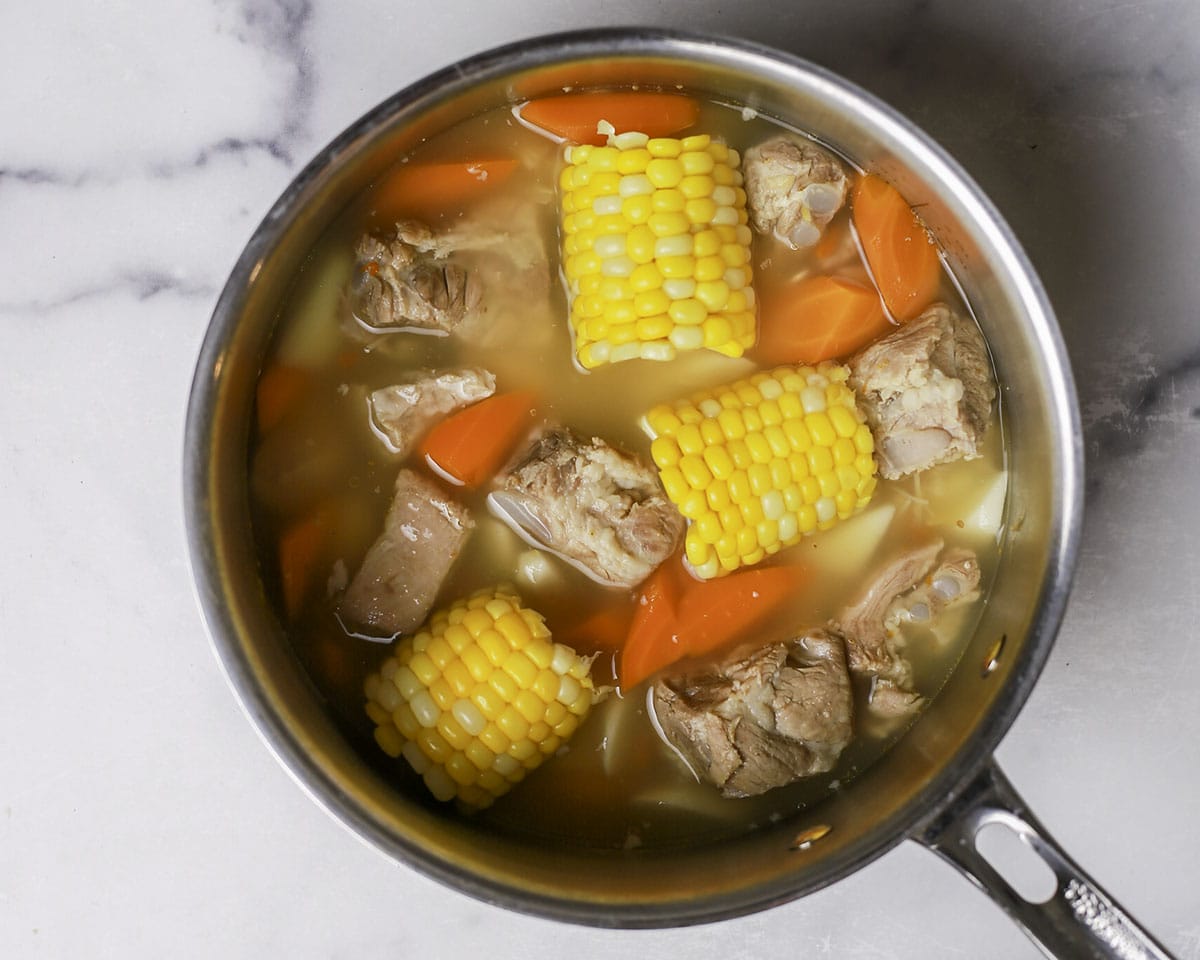
- Once the pork ribs are tender, add the yam and carrots and bring the soup back to a simmer, cover, and cook for about 10 minutes or until the carrots and yams are just fork tender. Then add the corn and cook for another 5 minutes, with the lid on.
- If you're substituting with potatoes, add the potatoes first and cook for about 5 minutes, then add the carrots. Once the potatoes and carrots are fork tender, about 10 minutes, add the corn and cook for 5 minutes.
Variation #2:
- When the pork ribs are tender, add the winter melon and cover with the lid. Bring the soup back to a simmer and cook for about 10 to 15 minutes or until the winter melon looks almost translucent and is fork tender.
Variation #3:
- When the pork ribs are tender, add the radish and bring the soup back to a simmer. Cook the radish for about 5 minutes before adding the carrot and tofu. Then cook for another 10 minutes or until the radish and carrots are both fork tender.
Finish:
- To finish, taste and season the soup with more salt as needed. Enjoy the soup by itself or as a side to your meal. Serve with a few cracks of black pepper. For the pork bones, you can sometimes pick off decent morsels of meat off of it. Also, we like our soup less seasoned but dip our pork in a little soy sauce for some extra flavor.
Notes
- Serving size - This recipe makes about 4-5qt of pork rib soup without the extra variation ingredients and the nutritional information is also without the extra ingredients.
- With the variation ingredients added, the soup makes about 5 to 6 servings, but as a side, it makes about 8 to 10 servings.
- Riblets - You'll likely purchase pork spareribs cut across the bones to get shorter chains of ribs. Cut the riblets between each bone to get smaller pieces of ribs. This will shorten cooking time and make eating easier.
- Mountain yams - These roots are also known as nagaimo. We recommend the iron nagaimo, which look like dark brown roots that are about 1 to 2 inches thick. If you don't have mountain yams in your area, you can substitute it for potatoes. We recommend gold potatoes, peeled and cut into 1 inch chunks.
Comments
No Comments